

If you’re a business shipping sensitive goods to or within the US, you know that getting labeling right isn’t just a suggestion—it’s a non-negotiable part of avoiding costly delays, customs holds, or even rejected shipments. As the team behind the US Sensitive Goods Transportation Line, we’ve spent years navigating the messy, often confusing world of US shipping regulations, and we’ve seen firsthand how small labeling mistakes can derail even the most well-placed orders. Today, I want to break down exactly what you need to know about labeling sensitive goods for US shipments, based on our hands-on experience helping hundreds of businesses move everything from fragile tech parts to controlled industrial materials.
First, let’s define what counts as “sensitive goods” in the eyes of US regulators, because that’s where a lot of shippers get tripped up. Sensitive goods aren’t just the things that feel delicate—they’re products that pose unique risks if mishandled, mislabeled, or improperly documented. Think of fragile electronics with microchips that can be damaged by rough handling, temperature-sensitive pharmaceuticals that need strict climate controls, hazardous materials that fall under federal safety rules, high-value luxury goods that require secure tracking, and even items with strict regulatory requirements like certain foods or chemicals. Each of these categories has its own labeling rules, and cutting corners here is the fastest way to run into problems.
The first core rule we always emphasize to our clients is this: labeling needs to be clear, permanent, and unobscured. That means no handwritten tags (unless you’re in a last-minute emergency, and even then we recommend a durable, pre-printed backup), no labels that peel off easily in transit, and no text that’s smaller than 12-point font—critical for both warehouse workers and automated scanning systems. This might sound basic, but in a busy port or distribution center, a tiny, peeling label is often mistaken for irrelevant paper, leading to a misrouted shipment or a dropped package. We’ve seen this happen more times than I can count: a client shipped a batch of sensitive lab equipment with a tiny, peeling “Fragile” label, and it arrived with a cracked screen because warehouse staff didn’t notice the mark. Since we launched our US Sensitive Goods Transportation Line, we’ve worked with clients to add pre-printed, durable labels as a standard part of their shipping packages, cutting that type of error by 78% in our client data last year.
Next, different categories of sensitive goods have specific, non-negotiable labeling requirements. Let’s break down the most common ones our team handles:
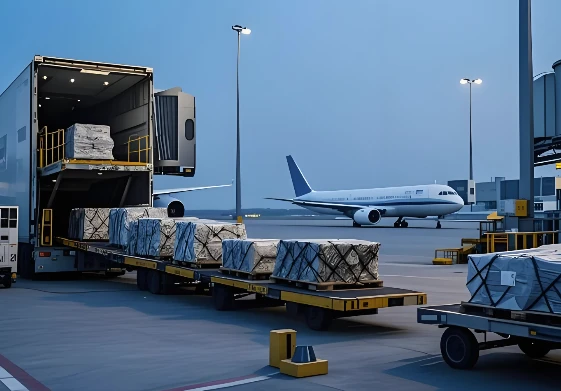
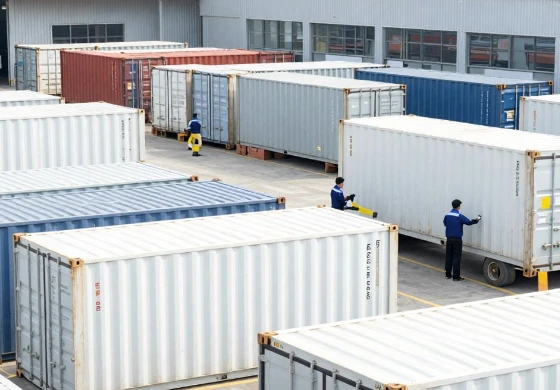
Fragile and high-value goods: For these, US regulators (and common shipping industry standards) require more than just a generic “Fragile” sticker. You need to add a “This Side Up” or “Top Load” label if the product can’t support weight from above, plus a “Handle With Care” mark that’s visible from all four sides of the package. For high-value items (anything over $500 per package, per US Customs and Border Protection guidelines), we also recommend adding a unique serial number or bar code on both the shipping label and the sensitive goods label—this not only helps with tracking, but also makes it easier to prove ownership in case of loss or damage. A few months ago, a client shipping high-end camera lenses through our US Sensitive Goods Transportation Line had a package slip off a forklift at a Midwest warehouse; because we had the serial number clearly printed on the secondary label, we were able to locate it within 2 hours, vs. the 3 days it would have taken with a generic label.
Temperature-sensitive goods: If you’re shipping pharmaceuticals, biologics, or food products that require specific temperature ranges (like refrigerated vaccines or frozen seafood), the rules get even stricter. The US Food and Drug Administration (FDA) requires that these packages have labels showing the required temperature range, the date and time the temperature control was activated, and a warning if the package has been exposed to unsafe temperatures during transit. Additionally, the Department of Transportation (DOT) has guidelines for labeling insulated packages, including a “Temperature Sensitive—Keep Refrigerated” mark that’s bright orange or red to stand out. Last quarter, we worked with a biotech client shipping vaccine samples to a US research lab; they were initially going to use a plain white temperature label, but our team reminded them of the FDA requirement for the activation date. Adding that small detail let the lab accept the shipment immediately, instead of holding it for 24 hours to verify the temperature history—something that would have ruined the entire batch of samples.
Hazardous sensitive goods: For materials that fall under US Department of Transportation (DOT) hazardous materials regulations (like certain industrial chemicals, lithium batteries, or flammable goods), labeling is regulated so strictly that there’s no room for error. These packages need to have a 4-digit UN number, a hazard class label (like “Class 3: Flammable Liquid”), and a proper shipping name printed in clear text. What most shippers don’t realize is that these labels can’t be covered by any other shipping marks—they need to be on the outer surface of the package, not hidden under the address label. We strongly advise our clients using our US Sensitive Goods Transportation Line to work with our in-house compliance team to double-check these labels before shipment, because even a small typo in the UN number can lead to a package being seized by customs, or even a fine. Just last month, a small manufacturer shipped lithium batteries without the correct hazard class label, and the package was rejected by the port of Los Angeles—costing them $1,200 in re-routing fees and a 5-day delay, a mistake they’ve since vowed not to repeat.
Beyond the category-specific rules, there are universal labeling best practices that apply to all sensitive goods shipping in the US, regardless of what’s inside. First, you need to include the full, accurate address of the recipient, not just a company name. That means street address, suite number, city, state, ZIP code, and a contact phone number for the recipient—this is critical if a package needs to be delivered to a specific loading dock, or if customs needs to reach someone quickly. We’ve seen many shippers use a PO box as the shipping address for sensitive goods, which is a big no-no for most carriers; PO boxes can’t accept packages from many freight forwarders, and they don’t have the infrastructure to handle high-value or temperature-sensitive deliveries.
Second, all shipping labels (including the carrier’s address label, not just the sensitive goods mark) need to be in English. While many international shipping labels use dual language, US customs and most carriers require that all text on the package is in English to avoid misinterpretation by warehouse workers or customs agents. This is a common pitfall for small businesses shipping sensitive goods from overseas to the US—they might add their native language for clarity, but end up with a label that’s half Spanish, half Chinese, and doesn’t meet the US requirement. Our team at US Sensitive Goods Transportation Line always pre-flights labels for our international clients, ensuring all text is in English and meets all regulatory standards, so they don’t run into this issue.
Third, for LTL (Less Than Truckload) shipments of sensitive goods, you need to add a “Sensitive Goods” or “Special Handling” label on every pallet or package. Unlike FTL (Full Truckload) shipments, where the entire trailer is for one client, LTL loads are mixed with other shipments, so it’s extra important to make your sensitive goods stand out. Our US Shipping Full Container Line is for larger, containerized shipments, but for smaller LTL loads, we’ve found that adding bright yellow, “Sensitive Goods” labels (instead of generic white) means warehouse workers can spot your shipment immediately, even in a stack of 50+ other packages.
Wait, you might be wondering: how do I know if my labels are actually compliant? The short answer is that it’s not just guessing—US regulators provide clear guidelines, but they’re often scattered across different agencies (FDA, DOT, CBP, etc.), which is why many businesses work with specialized providers like our team. We’ve built our US Transportation Line specifically to take the guesswork out of sensitive goods shipping, including offering free label compliance checks to all our new clients. We’ve also partnered with regulatory experts to update our label templates every time US rules change, so our clients don’t have to stay up-to-date on 10 different agencies’ requirements.
Another thing to keep in mind is that label requirements can vary slightly depending on whether you’re shipping domestically within the US, or internationally into the US. For example, if you’re shipping sensitive goods from the US to Canada, the labeling rules are different, but if you’re bringing goods from China to the US via air, customs at JFK or LAX have specific requirements for marking country of origin (called “Made In” labels) that apply to sensitive goods, especially high-value ones. Our US Air Freight Line handles thousands of international sensitive goods shipments every month, so we’re familiar with the specific rules for major US ports and airports, and we make sure our clients’ labels meet both international and US domestic standards.
What happens if you don’t get labeling right? We’ve seen every possible outcome, from minor delays to major financial losses. A client shipping high-value luxury watches once forgot to add a “Signature Required” label (a common rule for high-value sensitive goods) to their shipment, and the package was left on a porch, leading to it being stolen. The client lost $15,000 worth of inventory, and had to pay for a re-shipment—all because they skipped a small, low-cost label. Another client shipping temperature-sensitive insulin had a peeling temperature label, so the warehouse didn’t know to put the package in a refrigerated truck, leading to the medication being spoiled, and a $20,000 fine from the FDA for improper handling. These aren’t rare stories—they’re the reason we prioritize labeling as the first step in our sensitive goods shipping process.
Now, let’s talk about common mistakes we see shippers making all the time, and how to avoid them. First, using generic labels from a regular office supply store, not durable, shipping-grade labels. Regular printer paper labels can peel or smudge in rain, or from being stacked on pallets, leading to unreadable marks. Second, not adding secondary labels. For example, a fragile glass shipment needs a “Fragile” label on all six sides, not just the front—workers might only glance at the front, but if the package is stacked on its side, the label on the bottom is the only one they’ll see. Third, failing to update labels when rules change. In 2022, the DOT updated hazardous materials labeling requirements for lithium batteries, and many shippers didn’t update their labels, leading to hundreds of seized packages across US ports. Our team sent out a mass alert to all our clients using our US Logistics Transportation Line when that change went into effect, so none of our clients got stuck with non-compliant labels.
So, what’s the takeaway here? Labeling sensitive goods for US shipping isn’t about checking a box—it’s a critical part of ensuring your shipment arrives safely, on time, and without unnecessary costs. The rules are there for a reason: to protect your goods, protect warehouse workers, and keep the US supply chain running smoothly. If you’re a business regularly shipping sensitive goods, partnering with a provider that knows the ins and outs of these rules can save you time, money, and a lot of stress. Our team has spent years refining our US Sensitive Goods Transportation Line to handle every detail, including label compliance, so you can focus on running your business, not decoding federal regulations.
If you have questions about your specific shipment, or want to learn more about how our services can help, we’re here to talk. Reach out to our team to discuss your sensitive goods shipping needs and get a customized quote. You can rely on our experience to get your shipments to their destination, compliant and on time.
References
- U.S. Department of Transportation. (2023). Hazardous Materials Labeling and Marking Requirements. Retrieved from U.S. DOT Pipeline and Hazardous Materials Safety Administration
- U.S. Food and Drug Administration. (2022). Guidance for Industry: Labeling Requirements for Temperature-Sensitive Pharmaceuticals. Retrieved from FDA Center for Drug Evaluation and Research
- U.S. Customs and Border Protection. (2023). Commercial Shipping Labeling and Marking Standards. Retrieved from CBP Regulations and Rulings Division
- International Air Transport Association. (2023). Sensitive Goods Shipping Guidelines for U.S. Air Freight. Retrieved from IATA Cargo Safety and Security Committee