

If you’ve ever moved high-value, time-sensitive, or bulky cargo across the U.S., you know the biggest bottlenecks don’t happen when your freight is on a plane or truck—they happen when it’s sitting somewhere waiting for its next move. As a US Air Freight Line provider who’s spent 12 years problem-solving for small business owners, e-commerce brands, and industrial manufacturers, I get this frustration all too well. One question I get asked at least three times a week is: Does US Air Freight Line offer long-term freight storage? The short answer is: Yes, but it’s not a one-size-fits-all service. Let’s break down how our team structures this, why it’s designed to complement air freight (not replace it), and how it works for different types of cargo.
First, let’s set the context: Long-term freight storage isn’t just leaving a pallet in a warehouse for months. For air freight customers, the need for this service usually stems from specific scenarios. Maybe you’re a seasonal clothing brand that air-freighted winter jackets to the West Coast in October, but your retail partners won’t start stocking them until mid-November. Or maybe you’re a medical device manufacturer whose air-shipped diagnostic units cleared customs two weeks early, and your in-house team isn’t ready to install them at your hospital client’s site. Or maybe you’re an e-commerce seller who over-ordered a limited-edition product, shipped it via air to get it to a US hub, and now need to hold it until you have enough traffic to offer it to your audience without cutting into your profit margins.
That’s where our long-term storage for air freight comes in—tailored to the unique needs of customers who use air lines, not the general retail storage market. Unlike self-storage units that leave you to handle all logistics, our storage is integrated with the rest of the services we offer. For example, if you book a US Air Freight Line shipment from, say, Shanghai to Los Angeles, our team will automatically handle the transfer of your cargo to our climate-controlled, secured storage facility at the LA hub once it clears customs. No extra calls, no coordinating with a third-party warehouse—we do that for you.
But let’s get specific about what “long-term” means here, because that’s a point of confusion for many people. Our standard storage for air freight is anything over 14 days after the cargo has been delivered to our US hub. For most carriers, storage beyond 30 days is considered long-term, but we’ve structured our tiers to accommodate both mid-term (15–60 days) and truly long-term (60+ days) needs, with clear pricing and no hidden fees. A common mistake we see is customers assuming air freight is only for fast-moving cargo, but in reality, many high-value air shipments have long lead times before they reach their final destination. A aerospace component that’s air-shipped to a US assembly plant might need to be stored for 90 days while the production line at the plant is being upgraded. A luxury watch brand that sends limited-edition pieces via air to avoid ocean freight theft might need to hold them for six months until a pop-up store is ready. Our storage service works for all these use cases.
Now, let’s address the differences between our air freight storage and other services we offer, because that’s important for customers choosing the right line. For example, we also offer dedicated [US Transportation Line] services that include temporary storage for over-the-road shipments, but that’s optimized for ground cargo, not air freight’s unique security and handling requirements. Air freight cargo is often high-value, time-sensitive, and needs temperature or humidity control—you don’t want to store a $50,000 medical sensor in a warehouse that’s used for bulk consumer goods. Our air freight storage facilities are built to meet IATA (International Air Transport Association) standards, which means they’re monitored 24/7 with biometric access, fire suppression systems, and climate control for sensitive cargo. That’s a level of security you won’t get with a standard public storage facility.
Speaking of sensitive cargo, if you’re shipping high-risk items like pharmaceuticals, lithium-ion batteries, or perishable goods via air, our long-term storage integrates seamlessly with our [US Sensitive Goods Transportation Line] protocols. We can adjust humidity levels to keep vaccine shipments stable, or store lithium batteries in temperature-controlled, fire-resistant racks that comply with DOT and FAA regulations. This is a big plus for customers who ship sensitive items via air because they don’t have to juggle multiple providers for storage and transport—we handle the entire pipeline, from plane to storage to final delivery.
A question I get a lot is: Why not just use ocean freight storage instead of air freight storage? The answer comes down to speed and integration. Let’s say you’re a retail brand choosing between air and ocean freight for your holiday inventory. If you ship via our [US Ocean Freight Line], storage is cheaper, but it’s designed for slower, bulk cargo that spends weeks at sea. If you ship via air, you’re paying a premium for speed, so the last thing you want is to wait weeks for your cargo to clear customs and then store it in a facility that’s not set up for air freight’s quick turnaround needs. Our air freight storage is located right at our LA, Dallas, and New York hubs—all major air cargo gateways—so when you’re ready to have your cargo delivered to retailers, we can arrange for same-day or next-day trucking via our logistics network, no extra transit time. That’s a huge advantage over using a separate storage facility that’s miles away from the air hub.
Let’s talk about pricing, because transparency is key for long-term services. Our long-term storage for air freight is billed monthly, with no long-term contracts—you can hold your cargo for 30 days or 6 months, and switch whenever you need. For air freight customers, we also offer a volume discount if you have multiple pallets or crates in storage. For example, a single pallet might cost $80 a month in storage, but if you have 10 pallets, that drops to $60 a pallet. We also don’t charge for standard handling—so when you’re ready to move your cargo out of storage and to its final destination, the transfer back to our air transport line (or our ground transport line) is free, as long as you give us 48 hours notice. That’s another way we set ourselves apart from third-party storage providers, who often charge fees just for moving your items around their warehouse.
But here’s the thing: Long-term storage for air freight isn’t for everyone. If you’re shipping standard consumer goods that can wait a few days for customs clearance, our standard free storage period (14 days) is more than enough. If you’re a small business that only ships one or two air cargo shipments a year, the long-term storage pricing might not be cost-effective for you. That’s why we work closely with every customer to assess their needs before they book. For example, last quarter we had a small craft beer importer who air-shipped 50 cases of craft stout to the US for a festival that got postponed by two months. They thought they’d have to pay a huge fee to put the beer in a standard warehouse, but we were able to store it in our climate-controlled air freight storage facility for two months, for a total cost of $350, which was way less than the cost of re-exporting the beer or letting it go bad. That’s the kind of problem-solving we do that makes our US Air Freight Line more than just a way to move cargo quickly.
Another common misconception: Some people think that storing air freight long-term means you have to re-label or re-crate your cargo every few weeks, which adds time and cost. But that’s not the case with our service. Our team handles all inventory checks for you—we send you a monthly digital report with photos of your cargo, so you can see exactly where it is and its condition. If you need to re-crate it for a delivery to a different location, we can do that in our in-house packaging facility, which is part of our [US Logistics Line] services, at no extra cost for air freight customers.

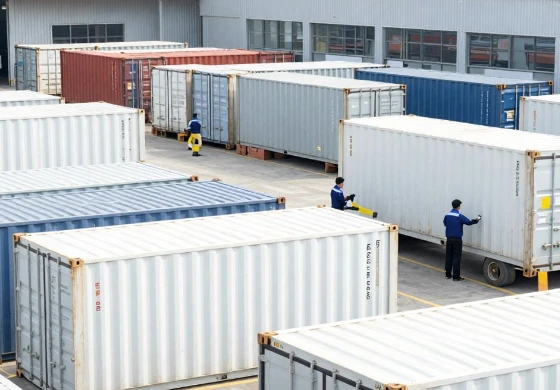
Let’s also talk about compliance, because that’s a big concern for anyone shipping cargo across international borders. Our long-term storage facilities are licensed by the CBP (Customs and Border Protection), so you don’t have to worry about your cargo being seized or needing to re-file customs paperwork while it’s in storage. If you need to adjust the delivery address or split a shipment into multiple locations, we can update your customs documentation for you, right from the storage hub. That saves our customers hours of paperwork and phone calls with customs agents.
So, to circle back to the original question: Does US Air Freight Line offer long-term freight storage? Yes, but it’s specialized storage designed for air-shipped cargo, not a one-size-fits-all service for all types of freight. It’s integrated with our air, ground, and logistics services, so you don’t have to coordinate multiple providers. It’s secure, compliant, and flexible enough to handle everything from seasonal retail inventory to medical devices to sensitive goods. And unlike third-party storage, it’s tailored to the unique needs of customers who choose air freight for their shipments—speed, reliability, and peace of mind.
If you’re considering using long-term storage with your US Air Freight Line shipment, or if you have questions about how our services work together, our team is here to help. We understand that every shipment is different, and we take the time to build a solution that works for your specific needs, not our bottom line. Whether you’re a small e-commerce brand or a large industrial manufacturer, we can walk you through the process, explain the pricing, and help you decide if our long-term storage is right for you. Reach out to our team today to learn more and start planning your next shipment.
References
- International Air Transport Association (IATA). (2023). Air Cargo Storage and Handling Standards. Retrieved from IATA official database
- U.S. Customs and Border Protection (CBP). (2024). Licensed Private Warehouse Guidelines for International Freight. Retrieved from CBP regulatory documents
- Federal Aviation Administration (FAA). (2023). Guidelines for Storage of Hazardous Air Freight. Retrieved from FAA hazardous materials regulations portal
- U.S. Department of Transportation (DOT). (2024). Commercial Warehouse Security Standards for Air Cargo. Retrieved from DOT transportation safety resources