

If you’ve ever shipped anything to or within Southeast Asia, you know how much of a headache juggling multiple small parcels, different carriers, and confusing pricing can be. As someone who runs a Southeast Asia logistics line, I get it—small business owners, e-commerce sellers, and even big importers often ask me the same question: do these regional lines actually offer consolidated shipping? The short answer is yes, but there’s a lot more to it than just grouping boxes together. Let me break this down with real-world context from what our team sees every day.
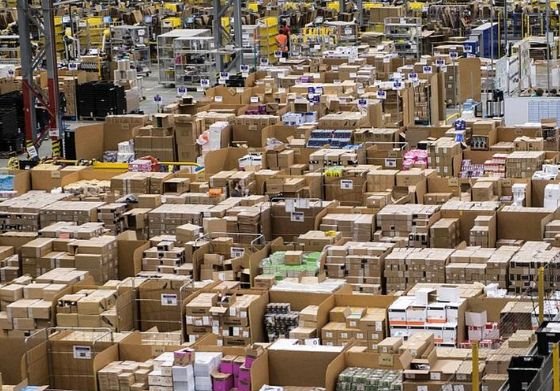
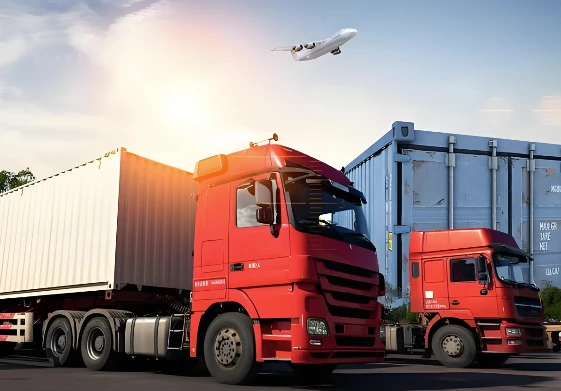
First, let’s define what consolidated shipping even means for Southeast Asia. Consolidation is when you take multiple small shipments from different senders (or the same sender) and pack them all into one larger container or a single air/sea freight unit. The big win here is cost—instead of paying for full container space for 2 or 3 small boxes, you split the cost with others, which cuts per-unit rates by 30-50% for most shipments. But here’s the catch: not all Southeast Asia logistics lines do this well. Some only offer consolidation for certain trade lanes, like Singapore or Malaysia, while others skip it entirely to focus on full-container loads (FCL) which are simpler for big players.
For our team, consolidated shipping is at the core of what we do as a Southeast Asia freight line. We’ve built our operations specifically around serving businesses that don’t need a full container—think e-commerce stores selling to Thailand, SMEs sending parts to Indonesia, or even individuals moving a few household items to Vietnam. Let’s talk about how this works in practice, because it’s not just “putting boxes in a big box.” First, we set up dedicated consolidation hubs in key cities: Singapore, Jakarta, Bangkok, and Ho Chi Minh City. When a customer sends their small parcels to one of these hubs, our team sorts them by destination, checks for any incompatibilities (like fragile items or hazardous goods), and then packs them into a single 20ft or 40ft container that departs on a fixed schedule every 3-5 days. That’s different from ad-hoc consolidation where containers only leave when they’re full—our regular schedules mean you don’t have to wait weeks to ship your goods.
Let’s use an example that’s super common right now, with the rise of Southeast Asia’s e-commerce boom. A lot of Shopify sellers in the US or EU want to send products to Shopee or Lazada warehouses in the Philippines. If they ship each order separately, they’re looking at $20-30 per parcel, plus customs fees on each one. But if they use our Southeast Asia e-commerce hotline, they can send all those orders to our consolidation hub in Singapore for a low per-parcel fee, then we group them into a single consolidated shipment to Manila. The total cost drops to $8-12 per order, and we handle all the customs documentation in bulk, so you only pay customs fees once instead of multiple times. That’s a game-changer for small sellers who were getting priced out of Southeast Asia’s market.
But wait—what if you’re not an e-commerce seller? What if you’re a manufacturer in Taiwan sending components to a factory in Malaysia, or a retail brand in Japan sending stock to multiple stores across Southeast Asia? Consolidated shipping still works, but you need a logistics line that can handle larger, less frequent shipments. Our Southeast Asia freight forwarding line offers consolidated LCL (less than container load) services for shipments as small as 1 cubic meter, all the way up to 15 cubic meters. We also track every single parcel in the consolidated shipment—each box gets its own barcode, so you can see exactly where your goods are, even when they’re packed with 50 other boxes. No more “where did my stuff go?” confusion.
I should also address a common myth: consolidated shipping is slower than regular shipping. For a long time, that was true because consolidation lines waited for containers to fill up before departing. But with the growth of Southeast Asia logistics, lines like ours have adapted. Because we have fixed weekly schedules for consolidated shipments, the transit time is almost the same as FCL—for example, a consolidated shipment from Shanghai to Bangkok takes 12 days, while FCL takes 10 days. That’s a difference of just 2 days, which is negligible compared to the cost savings.
Another big point: customs and compliance. Southeast Asia has 11 countries, each with their own customs rules, and some (like Indonesia and Thailand) have strict regulations on certain goods. When you use a consolidated shipping line, you want a team that knows these rules inside out. We have dedicated customs specialists at each of our hubs who handle all documentation for every shipment in the consolidated container, so you don’t have to worry about missing forms or getting your goods held up at the port. That’s why so many businesses in Singapore and Malaysia rely on our Southeast Asia shipping line for cross-border consolidations—we don’t cut corners on compliance.
Now, let’s talk about the practical stuff: who should use consolidated shipping, and who might want to look elsewhere. If you have small to medium shipments (1-15 cubic meters) to multiple Southeast Asian countries, consolidation is almost always better. If you have a full container’s worth of goods, FCL is cheaper for you, but even then, some lines offer partial consolidations if you have 2-3 destinations. If you’re shipping something extremely fragile, like glass or electronics, make sure the line offers special handling for consolidated shipments—our team wraps every fragile item in custom foam before packing, and we mark them clearly so they’re stowed on top, not at the bottom of the container.
I also want to mention that consolidation isn’t just for outbound shipments to Southeast Asia—it’s great for intra-regional shipping too. A lot of businesses in Thailand send goods to Vietnam or Cambodia, and instead of using 3 different carriers for 3 different parcels, they use our consolidated service to send all of them in one shipment. That cuts down on paperwork, reduces the risk of lost parcels, and is way easier to track. For example, a clothing brand in Bangkok that sells to stores in Ho Chi Minh City and Phnom Penh can send both batches to our Bangkok hub, we pack them into one truck for overland shipping, and deliver them both in 4-5 days for half the cost of using two separate trucking services.
Of course, no service is perfect, and there are some limitations to consolidated shipping. For example, if you’re shipping perishable goods, you might need temperature-controlled containers, which some lines don’t offer for consolidated shipments—but we do. We have reefer (refrigerated) containers available for consolidated shipments of fruit, flowers, or pharmaceuticals, as long as you give us 3-5 days notice. Another limitation is size: if your goods are over 2.5 meters long or weigh more than 2,500 kg, they might not fit in a standard consolidated container, but we can arrange for specialized handling or a dedicated LCL space for large items.
At the end of the day, the big question is: does using a Southeast Asia logistics line for consolidated shipping make financial sense? Let’s do a quick math example. Suppose you have 3 small parcels, each weighing 50 kg, total volume 2 cubic meters, shipping from Shanghai to Jakarta. Regular LCL pricing is $150 per cubic meter, so total would be $300. Consolidated pricing, because we split the container cost with other shippers, is $100 per cubic meter, so total is $200. That’s a $100 savings, which you can pass on to your customers or reinvest in your business. For larger shipments, the savings are even bigger.
If you’re tired of overpaying for shipping to Southeast Asia, or if you’ve had bad experiences with lost parcels or delayed deliveries in the past, it’s worth checking out a line that specializes in consolidated services. Our team has been working in this space for over a decade, and we’ve helped hundreds of businesses—from 1-person startups to multinational corporations—save money and streamline their supply chains. We don’t do one-size-fits-all: we work with you to figure out the best consolidation plan for your specific needs, whether that’s intra-regional, outbound, or inbound to Southeast Asia.
If you’re ready to stop dealing with the hassle of multiple shipments and high costs, reach out to our team to talk through your logistics needs. We can give you a free, no-obligation quote, and answer any questions you have about consolidated shipping, customs, tracking, or anything else related to moving goods to, from, or within Southeast Asia.
References:
- ASEAN Secretariat. (2023). Southeast Asia Logistics Report 2023: Consolidated Shipping Trends and Market Growth. Jakarta: ASEAN Secretariat.
- World Bank. (2022). Logistics Performance Index: Southeast Asia Regional Update. Washington, DC: World Bank Group.
- Shopee SG Business Insights. (2023). E-commerce Shipping Solutions for Southeast Asian Sellers. Singapore: Shopee Pte. Ltd.
- International Air Transport Association (IATA). (2022). Air Freight Consolidation Best Practices for Intra-Asia Trade. Geneva: IATA.
- Container Port Performance Index (CPPI). (2023). Southeast Asian Port Efficiency and Consolidated Shipping Corridors. London: S&P Global Market Intelligence.