

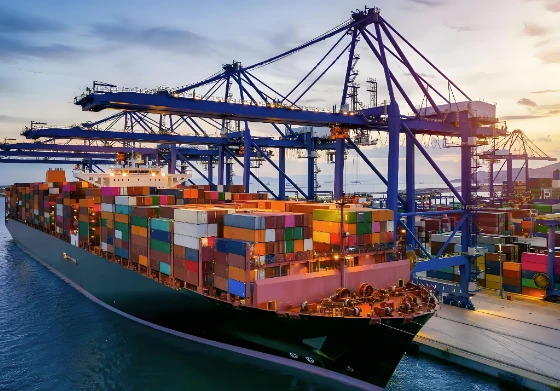
Pengcheng Yunqi (Shenzhen) Supply Chain Co., Ltd. is one of the most reliable southeast asia shipping line suppliers in China. We provide premium air freight dedicated lines and sea freight dedicated lines with low price. We ensure efficient, stable, end-to-end flow for cross-border shipments.
Southeast Asia shipping line
Our vessel-based ocean service moves cargo between ports throughout the Association of Southeast Asian Nations using scheduled sea lanes, feeder vessels, and short-sea shipping. This Southeast Asia shipping line links mainland terminals with island ports across Indonesia and the Philippines, giving exporters and importers a dependable way to move containers, breakbulk, and wheeled cargo by sea. Archipelagic geography demands vessel-based movement, and our regional corridors keep trade flowing between busy coastal cities and remote island hubs. Rather than forcing every shipment through a single overland route, we sail directly to where the cargo needs to go, using vessels matched to each waterway.
Service Details
Our Southeast Asia shipping line operates fixed port-to-port sea lanes with regular calls at major terminals and secondary island ports. Feeder vessels and short-sea ships connect deep-sea hubs to smaller archipelagic gateways, while inter-island container and breakbulk services serve the thousands of islands across Indonesia and the Philippines. We deploy drive-on/drive-off vessels for wheeled cargo such as trucks, trailers, and heavy equipment, and we carry project cargo and oversized pieces on specialized deck space. Transshipment through Singapore and Port Klang links local sea corridors to longer intercontinental routes. Vessel scheduling is built around predictable regional windows so shippers can plan port calls weeks in advance. Documentation, booking, and cargo readiness are coordinated per sailing to keep each sea corridor running on time. Cargo is stowed by trained crews who understand the motion of short-sea routes, and our operations team monitors every port call to resolve delays before they spread across the network. We also arrange lashing and securing for project pieces so they arrive intact at island destinations.
Company Advantages
Choosing our Southeast Asia shipping line means working with operators who know ASEAN waters intimately and run vessels sized for regional sea lanes rather than only mega-ships. Our mixed fleet covers containers, breakbulk, project pieces, and wheeled cargo on one coordinated network, reducing the need for multiple carriers. Transshipment hubs in Singapore and Port Klang give flexible connections without long detours. Local port agents at each call manage clearance and handling, and our planning team publishes vessel schedules so customers see exactly when each corridor departs and arrives. This regional focus delivers reliable island access that pure road or single-mode providers cannot match. We invest in route knowledge built over years of sailing these lanes, and our customers gain one accountable partner for sea movement across the entire archipelago instead of juggling separate providers for each island hop. Because we control vessel deployment regionally, we can shift capacity toward congested corridors during demand spikes. That agility protects schedules when weather or port congestion disrupts a single route.
FAQ
Q: Which ASEAN ports and sea lanes does your shipping line connect?
A: We connect mainland terminals such as those in Vietnam, Thailand, and Malaysia with island ports across Indonesia and the Philippines through fixed regional sea lanes and scheduled port calls. Coastal hubs and remote island gateways are both served, so cargo moves port to port without forced overland transfers.
Q: Do you operate feeder and short-sea vessels for inter-island shipping?
A: Yes. Our feeder and short-sea vessels run regular inter-island services, moving containers and breakbulk between hub ports and secondary island gateways across the archipelago. These smaller ships reach shallow drafts where large vessels cannot call, keeping island supply chains active.
Q: Can you carry non-container cargo such as breakbulk, project, and wheeled cargo?
A: Absolutely. We transport breakbulk and project cargo on open deck space and use drive-on/drive-off vessels for wheeled cargo including trucks, trailers, and heavy machinery. Oversized pieces are lashed and secured by crew trained for the motion of short-sea routes.
Q: How do you use transshipment hubs like Singapore or Port Klang?
A: These hubs let us transfer cargo between regional sea corridors and intercontinental routes efficiently, giving shippers flexible connections without unnecessary detours or delays. Cargo can switch from a short-sea vessel to a deep-sea service in a single coordinated handover.
Q: What is the vessel schedule like and how are port calls planned?
A: We publish fixed sailing windows for each corridor and plan port calls weeks ahead, coordinating booking and cargo readiness so every regional sea movement departs and arrives on schedule. Our planning team adjusts calls when weather or congestion appears, protecting the wider network.


