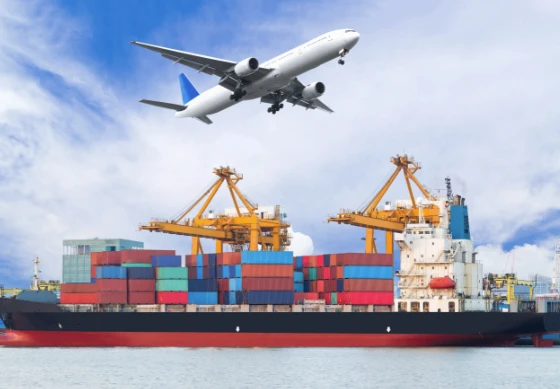
Depending on the service provider's level of compliance, "double clearance with tax included" services generally fall into two categories: compliant, standardized service processes and non-compliant, "gray-area" operations. Compliant models aim to offer sellers a convenient, one-stop solution, whereas some providers may resort to illicit practices to cut costs or evade regulatory oversight.
Compliant operations are characterized by all-inclusive pricing, comprehensive liability coverage, consolidated declarations, and the advance payment of taxes by the logistics provider. "All-inclusive pricing" means the provider calculates all costs upfront and quotes a fixed rate. "Comprehensive liability coverage" entails the provider assuming responsibility for all aspects of customs clearance and associated risks. "Consolidated declarations" involve grouping shipments from multiple sellers to enhance efficiency. "Advance payment of taxes" means the provider pays the required taxes on the seller's behalf.
In the market, these services primarily take two forms: "double clearance with tax included to port/airport" (covering transport only as far as the destination port or airport) and "double clearance with tax included to door" (known as DDP, which includes final-mile delivery).
Logistics providers offering these services must possess the professional expertise and experience required to handle international logistics and customs clearance. When selecting a service, sellers should clearly define the scope of services, cost breakdown, liability boundaries, and risk allocation in the contract, avoiding overly vague terms such as "all taxes and fees included."