

Hey there, if you’ve got a full container line shipment heading to the US and are wondering, “Can I track the whole thing every step of the way?” — I get it. You’re probably tired of guessing where your cargo is, waiting on vague updates, or stressing about delays that could mess up your supply chain. As someone who works with a US Shipping Full Container Line (that’s us, by the way — [link text: US Shipping Full Container Line] at /us-dedicated-line/us-shipping-full-container-line.html) and handles hundreds of these shipments monthly, I can tell you: yes, you absolutely can track your full container from origin to your US doorstep. But it’s not all the same across every line, so let me break down how this works, what to expect, and how to make sure you’re never in the dark.
First, let’s get one thing straight: a full container line shipment (that’s FCL, if you’re abbreviating like most folks in the game) is way different than LCL, or less than container load. With LCL, you’re sharing space with other shippers, so tracking can get messy because your box is part of a bigger group. But when you book a full container — whether it’s 20ft, 40ft, or 40ft high cube — that whole container is yours, start to finish. That makes tracking way simpler, because you only have to follow one unit, not a cluster of them.
I hear a lot of shippers say, “I booked my container two weeks ago and haven’t heard a peep” — and most of the time, that’s not because the line isn’t tracking it, it’s because they didn’t get the right info or set up the right alerts. Let’s walk through the full tracking journey step by step, from when you hand over your cargo to when it’s dropped off at your US warehouse.
First step: Pre-departure tracking. Once you book with a line like ours — we’re a US Logistics Line ([link text: US Logistics Line] at /us-dedicated-line/us-logistics-line.html) that specializes in cross-border full containers — the first thing we do is assign your container a unique booking number and container number. These aren’t just random codes; they’re your key to tracking everything. Within 24 hours of booking, you’ll get an email with those two numbers, plus links to our tracking portal. Some lines still make you call a support rep every time, but we’re old enough to know nobody has time for that. Our portal lets you plug in those numbers and see real-time updates even before the ship leaves the origin port.
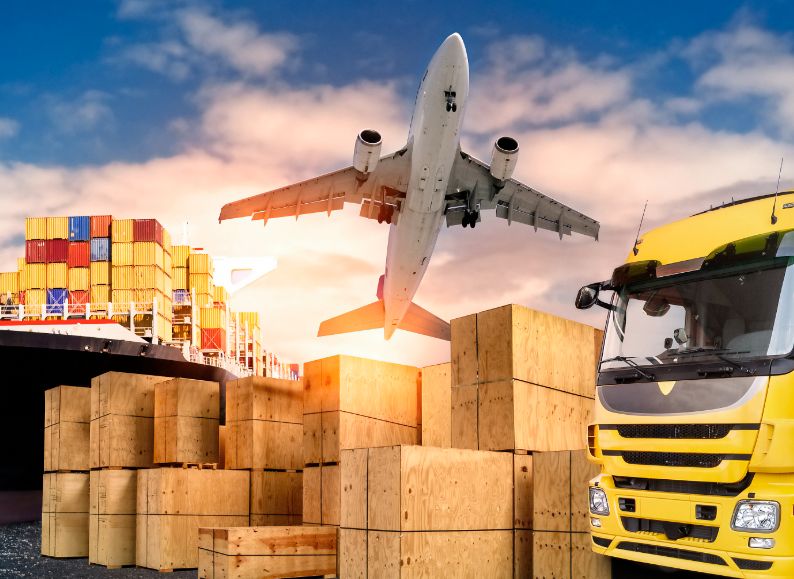
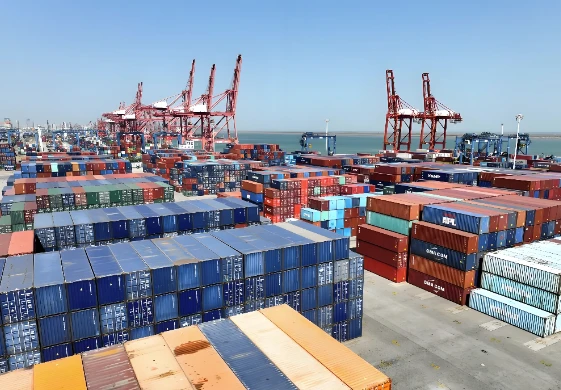
What do you see pre-departure? Things like when the container gets stuffed at the origin warehouse, when it’s picked up by the drayage truck to take it to the port, when it’s checked in at the origin terminal, and finally, when it’s loaded onto the ocean vessel. A lot of shippers don’t realize that tracking starts way before the ship even sails — that drayage leg (the truck moving from warehouse to port) is where a lot of small delays happen, so you’ll want to monitor that too. We send automated texts or emails for these milestones, but if you want extra clarity, you can log into your account and check anytime. That’s why choosing a line with a user-friendly portal matters — not all US Ocean Freight Line ([link text: US Ocean Freight Line] at /us-dedicated-line/us-ocean-freight-line.html) providers make this easy.
Next: Ocean transit tracking. Once the ship is underway, your container is on a fixed schedule, right? But even the best schedules hit snags — weather delays, port congestion, mechanical issues. With a full container, you can track its exact position on the ship, not just a general “ship is en route” update. Most major lines (including us) use satellite tracking for every container, so you can see which part of the ocean the vessel is in, and get a projected arrival date at the US destination port that updates as things change.
I’ve had a shipper call me panicking last quarter because they thought their container was going to be 5 days late, but when they checked our tracking portal, they saw the ship had adjusted course to avoid a storm, so it was only going to be 2 days late. That’s the kind of peace of mind tracking gives you. A common mistake here: don’t rely on the generic ship tracking sites (like MarineTraffic) that everyone uses. Those show the whole vessel, not your specific container. Our portal is tailored to your cargo, so it’ll say “Container XYZ123 is in hold 4, bay 12” — tiny detail, but if you need to file a claim later, that exact info is gold.
Then: US port arrival and customs tracking. This is where a lot of shippers run into confusion. Once the ship docks at your US port (LA, Long Beach, NYNJ, whatever), your container goes through customs. Here’s the thing about FCL: since it’s a full container, customs might do a physical inspection, but it’s way less likely to be opened multiple times than LCL cargo. But tracking during customs is still possible — and it’s non-negotiable, because customs delays can add days or even weeks to your timeline.
At our line, we integrate directly with US Customs and Border Protection (CBP) systems, so our tracking portal will show you when your container arrives at the destination port, when it’s cleared customs (or if it’s held for inspection, and why), and when it’s released to our inland drayage team. A lot of new shippers ask, “Why can’t I track it on CBP’s site?” Well, CBP has its own system, but it’s not linked to every line’s tracking, and it only shows customs status — not the container’s physical location at the port. Our US Logistics Transportation Line ([link text: US Logistics Transportation Line] at /us-dedicated-line/us-logistics-transportation-line.html) includes that port-to-door tracking, so you don’t have to jump between three different sites.
Final step: Inland delivery to your US location. This is the last mile, and it’s where delays are super common — port congestion means drayage trucks are backed up, or maybe your US warehouse has a loading dock that’s not available when the container arrives at the port. Our tracking portal will follow the container once it’s handed off to our inland team, so you can see when it’s picked up from the port, the route the truck is taking, and a real-time estimated delivery time (we even send a text 2 hours before the driver shows up, so you don’t have to wait around all day). If you’re shipping to a remote US location, like Alaska or Hawaii, we partner with local carriers, and our tracking works for those legs too — no gaps.
Wait, but what if you’re booking a smaller line that doesn’t have this tech? I get that cost is a big factor, but skimping on tracking can end up costing you way more. Last year, I had a small clothing boutique owner book a cheap FCL line that only sent updates once a week. Her container was stuck in a port in Oakland for 10 days because of a strike, and she didn’t find out until she called to check — by then, her holiday stock was delayed, and she lost 20% of her seasonal sales. That’s the risk of going with a line that doesn’t invest in tracking technology. Our line? We don’t nickel and dime you for tracking — it’s included in every full container shipment, no extra fees.
Let me also cover some common myths I hear all the time. First myth: “Tracking is only for big shipments.” No, even a 20ft FCL (perfect for a small business expanding to the US) has the same tracking capabilities as a 40ft. Second myth: “I have to pay extra for real-time tracking.” Again, not with our line — we include full, real-time tracking for all FCL bookings. Third myth: “If I get a tracking number, that’s enough.” Wait, no — make sure it’s a container number and a booking number, because some lines give you a booking number that only works for pre-departure, not the whole journey.
So how do you actually get set up to track your shipment when booking with a line like us? It’s simple: when you request a quote or book a US Shipping Full Container Line shipment, just ask about their tracking tools. We’ll send you a custom link to our portal, along with a quick guide on how to use it. If you prefer phone support, we have a dedicated team that can look up your shipment anytime, no hold time (seriously, our average wait is 2 minutes or less). We also offer SMS alerts, so you can get a text every time your container hits a major milestone — no need to log in every day.
What if you run into issues with tracking? Like, you plug in your numbers and nothing comes up, or the update is hours old. Don’t panic — that’s rare, but it happens. Usually it’s a data sync error between our systems and the port, or a typo in the number you entered. Just shoot us a message or call our support team, and we’ll pull up your shipment manually within 5 minutes. We’re based in the US, so we don’t have a 12-hour time difference making it hard to get help — that’s another perk of working with a US-based line, not a foreign one that outsources support.
Let’s talk about a real example to make this concrete. Last month, a furniture maker from Vietnam booked a 40ft full container with our US Ocean Freight Line to Los Angeles, then delivery to their warehouse in Phoenix, AZ. Here’s how their tracking went:
- Day 1: Booked, got booking number VNM-LA-123 and container number TGH789456.
- Day 3: Container stuffed at origin factory, drayage picks it up for the port. Tracking showed the truck’s license plate and route to the port.
- Day 5: Loaded onto vessel “Pacific Voyager”, sailed for LA. Tracking showed the vessel’s position in the South China Sea, projected arrival day 14.
- Day 13: Ship arrives at LA port. Tracking showed container was unloaded and in the terminal’s holding area.
- Day 15: Customs cleared (no inspection), released to our drayage team.
- Day 16: Container picked up by our Phoenix-bound driver, tracking showed the truck on I-10, projected delivery 2pm day 17.
- Day 17: Driver texts at 12pm, “ETA 2 hours”, container delivered on time.
They told us later that tracking made them feel like they were there, not 8,000 miles away. No more guessing, no more midnight phone calls to the origin agent, just clear updates every step.
Now, a quick note on what you can’t track — and that’s fine. You can’t track every single movement of the container when it’s at the port (like moving between the terminal storage yard and the cranes), because that’s just too granular, and it doesn’t add real value. You also can’t track individual items inside the container, which is normal — FCL is a sealed unit, so if you don’t have a high-value cargo that needs extra monitoring, you don’t need that level of detail. Our tracking is focused on the parts that matter: when it’s moving, when it’s at the port, when it’s out for delivery, and any delays that could impact your timeline.
So to circle back to the original question: Can I track my full container line shipment to the US? Yes — if you choose the right line. You want a US Transportation Line ([link text: US Transportation Line] at /us-dedicated-line/us-transportation-line.html) that invests in modern tracking tools, has a US-based support team, and includes tracking as part of their standard service (not an add-on). Avoid lines that only offer generic tracking or make you pay for access — that’s just a way to nickel and dime you.
At the end of the day, tracking isn’t just a convenience — it’s how you protect your supply chain. If your shipment is delayed, you can adjust your inventory plans, notify your customers, and avoid costly rush orders. If everything is on track, you can plan your warehouse staff and unloading schedule with confidence. That’s why every one of our full container shipments includes end-to-end tracking, no fine print.
If you’re ready to book a US Shipping Full Container Line shipment and want to test out our tracking for yourself, or if you have more questions about how it works, just reach out to our team. We don’t do pushy sales calls — we’ll walk you through exactly how the tracking works, what updates you’ll get, and answer every question you have so you feel confident before you book. No hidden fees, no vague promises, just clear, real-time visibility for your cargo every step of the way to the US.
REFERENCES
- American Trucking Associations. (2023). FCL Shipment Tracking Best Practices for Cross-Border Supply Chains.
- U.S. Customs and Border Protection. (2024). FCL Inspection Procedures and Cargo Visibility Tools.
- International Chamber of Shipping. (2023). Satellite Container Tracking Standards for Ocean Freight.
- Supply Chain Digest. (2024). The Cost of Poor Shipment Tracking for Small and Medium Businesses.