

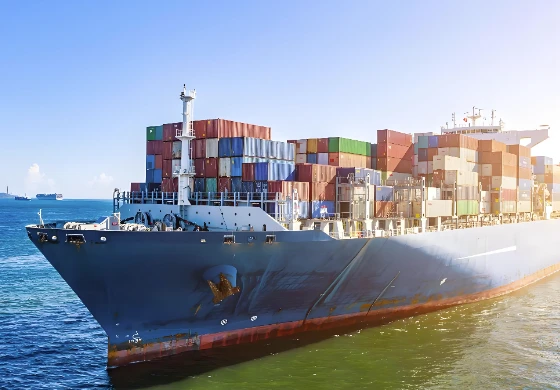
Pengcheng Yunqi (Shenzhen) Supply Chain Co., Ltd. is one of the most reliable us ocean freight line suppliers in China. We provide premium air freight dedicated lines and sea freight dedicated lines with low price. We ensure efficient, stable, end-to-end flow for cross-border shipments.
US Ocean Freight Line
Moving goods across the Pacific and Atlantic demands more than a spot booking. Our US Ocean Freight Line gives foreign-trade shippers a fixed sailing network with published port pairs, stable pricing, and predictable transit windows. Shippers gain a predictable alternative to volatile spot markets and fragmented bookings. This article explains how the service works, what ports and lanes it covers, and why it suits businesses that ship on a regular cadence rather than one-off emergencies.
Service Details
Under our US Ocean Freight Line, a single published schedule handles both full-container and consolidated cargo, so customers no longer juggle separate bookings for different load sizes. The network spans three American coasts and three trade regions. On the West Coast we serve Los Angeles, Long Beach, and Oakland. East Coast gateways include New York and New Jersey, Savannah, and Norfolk. The Gulf corridor runs through Houston. We maintain these gateways through committed vessel space, so capacity stays available even during peak seasons.
Trade lanes fall into three groups. Transpacific services link the United States with Asia. Transatlantic services connect the US with Europe. Latin America lanes cover Mexico, Central America, and South America. Each lane carries a fixed window, and all sailings share one rate sheet measured on a freight-all-kinds basis. Customers receive a sailing calendar in advance, which supports production planning and inventory buffers.
For cargo that needs delivery beyond the port, we offer optional door-to-door movement with arrival handling at destination, including terminal collection and final delivery coordination. Port-to-port remains available for customers managing their own inland legs.
Company Advantages
Why choose a scheduled line over ad-hoc bookings? First, rate stability. Through service contracts, annual vessel allocations, and FAK pricing, the US Ocean Freight Line protects shippers from sharp spot-market swings for the contract year. Second, sailing reliability. We monitor blank sailings daily and rebook affected cargo onto the next available vessel, so a skipped departure does not become a missed deadline.
Third, one accountable network. Because full-container and consolidated cargo move on the same schedule, planning, documentation, and milestones stay consistent. Fourth, transparent transit. Published lead times let supply-chain teams forecast arrivals instead of guessing. Finally, optional arrival handling removes the burden of terminal coordination at the destination port.
For importers and exporters with recurring volumes, the combination of fixed ports, stable rates, and managed reliability turns ocean shipping from a variable cost into a planned input. Teams can quote customers with confidence because the schedule and pricing remain consistent from quarter to quarter.
Frequently Asked Questions
Q: Which US ports and trade lanes does the ocean line cover?
A: The service covers West Coast gateways Los Angeles, Long Beach, and Oakland; East Coast ports New York and New Jersey, Savannah, and Norfolk; and the Gulf port of Houston. Trade lanes include transpacific to Asia, transatlantic to Europe, and Latin America routes to Mexico, Central America, and South America.
Q: Can one sailing schedule handle both FCL full containers and LCL consolidated cargo?
A: Yes. Full-container and consolidated shipments move on the same published schedule, so a single booking process covers both load types under one rate sheet. Customers avoid maintaining separate arrangements for different shipment sizes.
Q: How do you stabilize ocean freight rates across the year?
A: Rates are held steady through service contracts, annual vessel allocations, and freight-all-kinds pricing. These mechanisms shield committed shippers from volatile spot-market fluctuations for the duration of the contract year.
Q: What are typical transit times, and how do you handle blank sailings or delays?
A: Published lead times vary by lane, with transpacific, transatlantic, and Latin America routes each carrying a stated window. When a blank sailing occurs, we monitor it and rebook affected cargo on the next available vessel to protect delivery commitments.
Q: Do you provide door-to-door ocean with arrival handling, or port-to-port only?
A: Both options are available. We offer optional door-to-door service with arrival handling at the destination port, including terminal collection and final delivery coordination. Customers may also select port-to-port if they manage their own inland movement.


